• waqrapukara Tour
  • waqrapukara Tour
  • waqrapukara Tour
  • waqrapukara Tour
  • waqrapukara Tour

- Description -

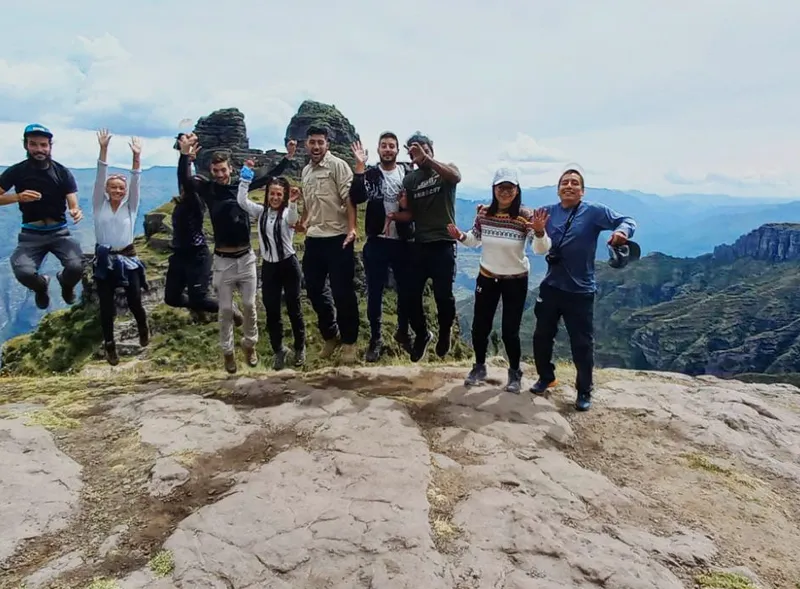
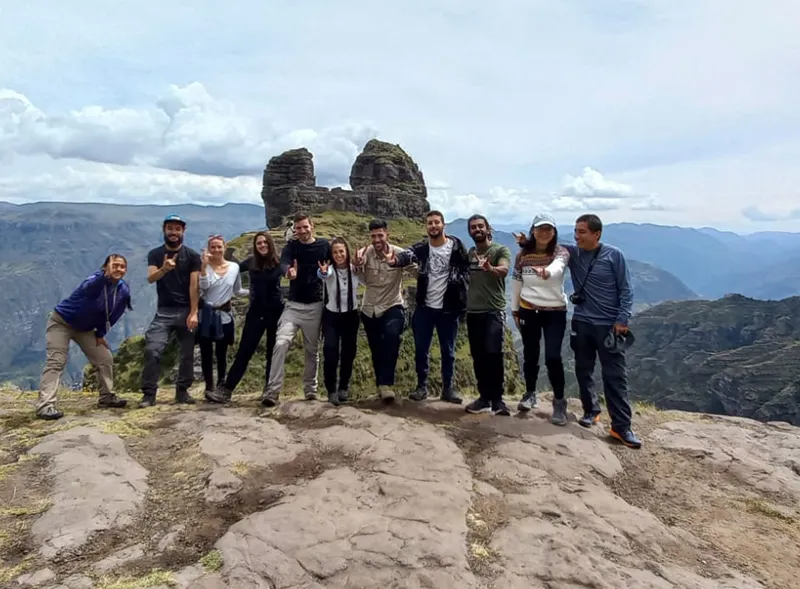
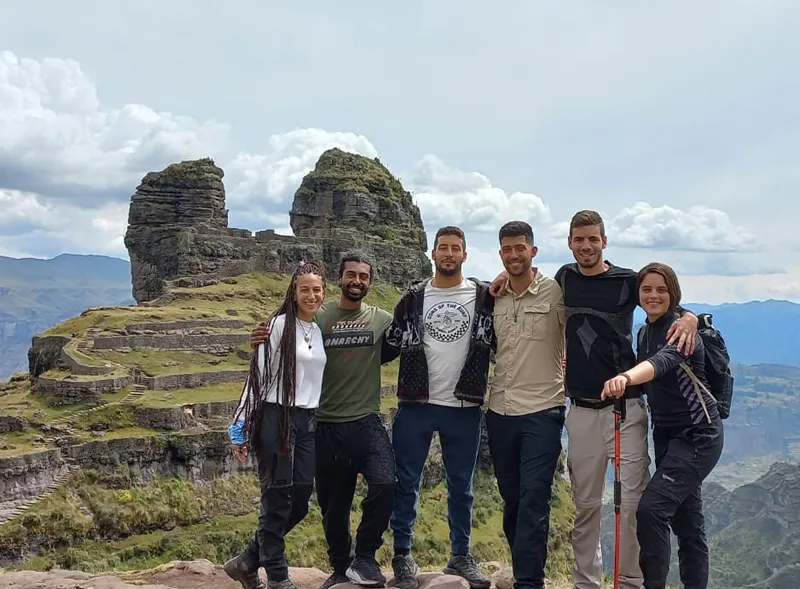
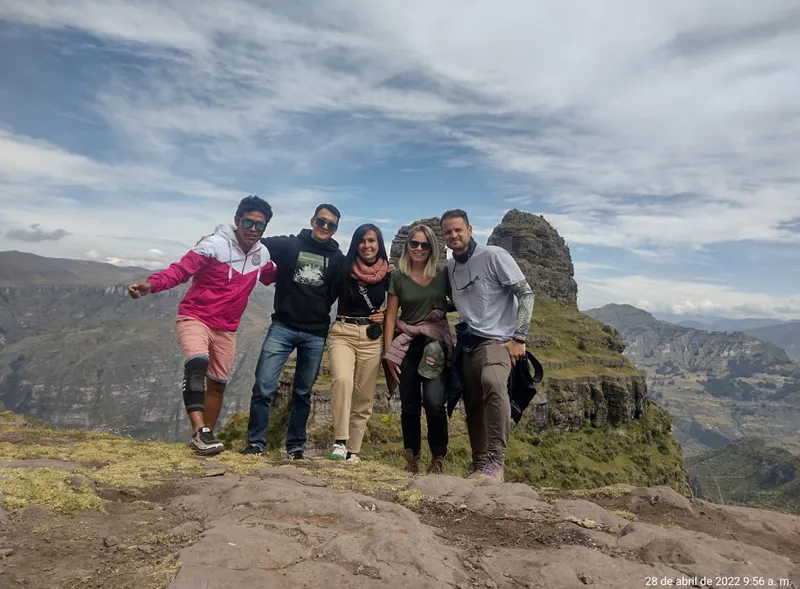
Waqrapukara is a fortress, sanctuary, astronomical observatory? are the interpretations for this enigmatic monument of classic Inca architecture that rises to 4, 300 meters above sea level.

1

CUSCO - PITUMARKA - WAQRA PUKARA - PITUMARKA- CUSCO

The tour begins with the pick up from the hotel from 4:30 to 5:00 a.m., once the whole group is complete we will start the tour, we will travel for 3 hours in tourist transport towards the town of Santa Lucía, in the course we will make a stop in Cusipata to have breakfast, then we will continue the trip.
In Santa Lucía we will take a detour traveling for 15 more minutes through a zigzagging road until we reach Punta Carretera. Place where we will get ready for about 10 minutes to make the last preparations, before starting our walk towards Waqrapukara.
Once everyone is ready we will begin to walk, the walk that will last 1 hour and 30 minutes, the distance to travel is approximately 2.5 kilometers, arriving at Waqrapukara the guide will explain the importance of this Archaeological Complex, then we will have Free time to visit the place on your own account and take our photos.
After the visit we will enjoy a delicious box lunch, then we will return along the same road to Punta Carretera, where our transport will be waiting to take us back to Cusco. Arriving in Cusco at 6:00 p.m.

INCLUDED:

Professional tours Guide
Transport
First Aid
Oxygen
Box Lunch

NOT INCLUDED:

Entrance to national park (10 SOLES)
Tips

What to bring for this tour

A light day pack with a change of clothes for the whole period of the trek - prepare for a vast range of changes in temperature
Rain gear (jacket and pants if available) or rain poncho. Plastic ponchos can be bought for about $1 in Cusco .
Strong footwear, waterproof trekking boots recommended. Extra socks are a must.
Sandals or plastic slip on thongs are also good to give your feet a chance to breath in the evenings if you wish to carry them.
Warm clothes, including jacket, fleeces, gloves, scarf and beanie/touk. Thermal clothing is also recommended, especially for sleeping. * This is a particularly cold trek, you should make sure you have a lot of very warm clothes.
Sleeping bag (we can hire these to you)
Torch/ Flashlight and spare batteries
Camera, batteries (batteries consume more quickly under cold conditions)
Hat or cap to protect you from the sun, rain and cold
Sun block
After-sun cream or hydrating cream for face and body
Toilet paper, pack in & pack out
Snacks: biscuits, energy bars, chocolate, raw fruits, muesli, etc.
Non-disposable canteen (Nalgene type) and water for the first morning.
We advise you to bring water sterilizing tablets in case you collect water from streams.
Your own medical kit with any special medications that you might require, paracetamol, second skin for blisters etc.
Small towel or sarong
Bathers/swimsuit (if you intend on swimming in hot springs )
Cash - sufficient for snacks, tips and souvenirs.
Original passport & ISIC (International Student Identity Card) if you have one.
Binoculars (if you have them)

PRICE OF TOUR

- PERSON -
- PRICE -
2
$ --.00
3 - 4
$ --.00
5 - 7
$ --.00
8 - More
$ --.00

Price:$93.00

- DETAILS -

  • Ausangate
  • Everyday
  • Full Day
  • "2 - 12"
  • Moderate to Difficult

Fill up the form below to tell us what you're looking for

- MOST POPULAR TOURS -

Frequently Asked Questions

The Waqrapukara Tour typically includes round-trip transportation from Cusco, a professional tour guide, and assistance throughout the excursion. Depending on the package, breakfast, lunch, and entrance fees may also be included. Before booking with Kamaski Travel, we recommend confirming the specific services included in your selected tour.

The hike to Waqrapukara is generally considered moderate to challenging, depending on the starting point and route selected. The trail includes uphill and downhill sections, uneven terrain, and exposed areas at high altitude. A reasonable level of physical fitness and proper acclimatization in Cusco are recommended. Walking at a comfortable pace and following your guide's instructions will help you enjoy the experience safely.

The Waqrapukara Tour is usually a full-day excursion from Cusco. The journey involves several hours of transportation each way, followed by a hike to the archaeological site. The total duration depends on the departure point, road conditions, hiking route, and time spent exploring the site. Your tour operator will provide the departure time and estimated return time before your trip.

We recommend bringing comfortable hiking shoes, layered clothing, a waterproof jacket, sunscreen, sunglasses, a hat, insect repellent, and a reusable water bottle. A small backpack, snacks, identification, and some cash for personal expenses may also be useful. Weather conditions can change quickly in the Andes, so prepare for both sunny and cold conditions. Trekking poles can be helpful on steep or uneven sections of the trail.

Waqrapukara is an impressive archaeological site located in the mountains of the Acomayo area, in the Cusco region of southern Peru. Its name is commonly translated as "Horn Fortress," referring to the distinctive horn-shaped rock formations surrounding the site. Perched high above the Apurímac River canyon, Waqrapukara features ancient stone structures, dramatic cliffs, and spectacular Andean scenery.

Yes, acclimatization is strongly recommended because Waqrapukara is located at high altitude. Spending at least one or two days in Cusco before the excursion can help your body adjust to the altitude, although it does not eliminate the risk of altitude sickness. Stay hydrated, avoid excessive physical exertion during your first days, and inform your guide if you feel unwell. Anyone with concerns about traveling to high altitudes should consult a healthcare professional before the trip.

The dry season, generally from May to September, is often considered a good time to visit Waqrapukara because there is typically less rainfall and better hiking conditions. The rainy season, usually from November to March, can bring muddy trails, slippery terrain, and changing weather. Conditions vary throughout the year, so we recommend checking the forecast and preparing appropriate clothing before your excursion.